
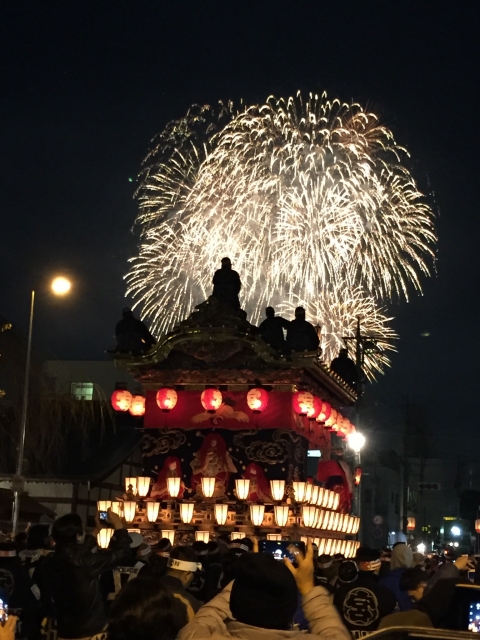
Festivals in Japan have traditionally been deeply rooted in local communities, often linked to Shinto shrines or Buddhist temples. Many began as religious ceremonies to pray for a bountiful harvest and to give thanks for nature’s blessings, and they have been cherished, supported, and passed down through generations.
At the same time, some newer festivals were created as opportunities for interaction between long-time residents and newcomers in growing communities.
Here, I introduce several festivals and events held in Saitama Prefecture. If you are staying in Tokyo, a short trip will allow you to experience these vibrant traditions, carefully preserved by local people, and catch a glimpse of contemporary Japan. I have listed the festivals from September onward.
September
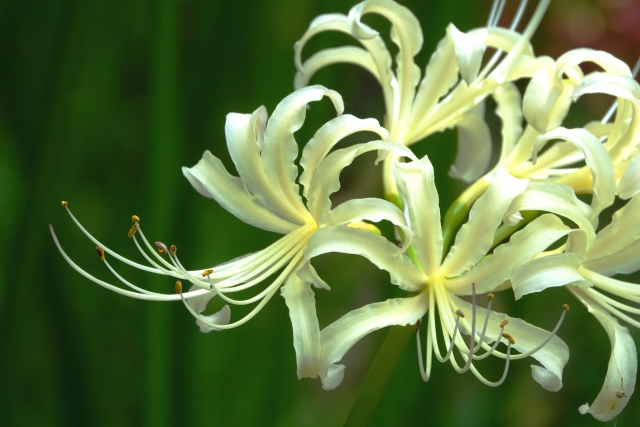
19th(Fri)~ October5th(Sun) Kinchakuda Red Spider Lily Festival

23rd(Tue) Urawa Festival(Parade & Dancing)
27th(Sat) Kita-Urawa Awa Odori Festival
October
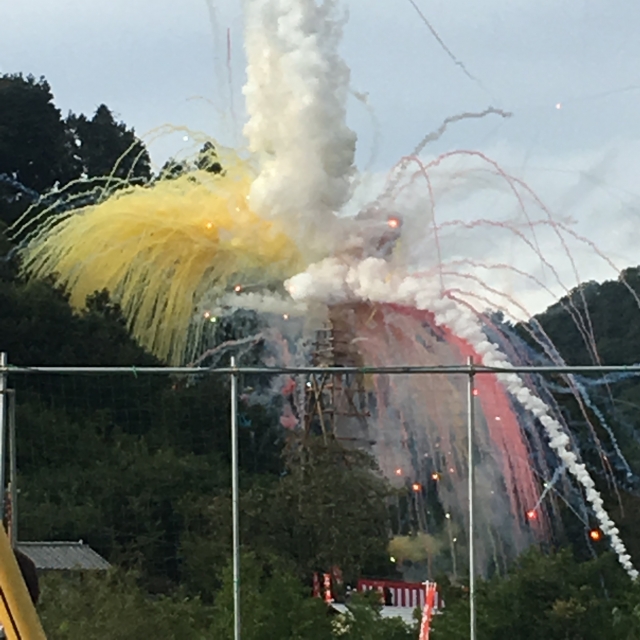
11th(Sat) Konosu Fireworks Festival
11th(Sat), 12th(Sun) Tokorozawa Festival
12th(Sun) Sakado Yosakoi Festival
12th(Sun) Ryusei Festival
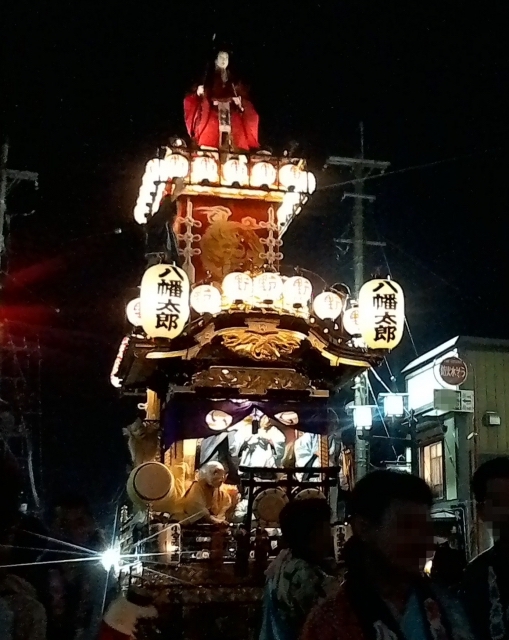
18th(Sat), 19th(Sun) Kawagoe Festival
25th(Sat), 26th(Sun) Iruma Mandou Festival
November
3rd(Mon) Ningyo(Doll) Memorial Service (Iwatsuki)
3rd(Mon) “Yabusame” at Izumo Iwai Shrine (Moroyama)
3rd(Mon) Iruma Air Show
9th(Sun) Sayama Grand Tea Ceremony


December
2nd(Tue), 3rd(Wed) Chichibu Night Festival
January
Popular Shrines and Temples for New Year Visits in Saitama
January is the peak season for Hatsumode, the first shrine or temple visit of the New Year.
The following shrines and temples attract large crowds every January.
Musashi Ichinomiya Hikawa Shrine (Saitama City)
The most visited shrine in Saitama during the New Year period.
Chichibu Shrine (Chichibu City)
A historic shrine at the heart of Chichibu, popular for New Year prayers.
Mitsumine Shrine (Chichibu City)
A mountain shrine known for its powerful atmosphere and wolf guardians.
Washinomiya Shrine (Kuki City)
One of the oldest shrines in the Kanto region, drawing many New Year visitors.
Kawagoe Daishi Kita-in Temple (Kawagoe City)
A major Buddhist temple; the famous Daruma Market is held on January 3.
Kawagoe Hikawa Shrine (Kawagoe City)
A popular shrine for matchmaking and family happiness.
Koma Shrine (Hidaka City)
A historic shrine associated with the ancient Koma clan, widely visited in January.
17th(Sat), 18th(Sun)Street Performance Festival
February
3rd(Tue) Setsubun
Setsubun is a traditional Japanese event held around February 3.
At temples and shrines, people take part in a ritual called mamemaki, or bean-throwing, during which beans are scattered while chanting “Oni wa soto, fuku wa uchi” (“Demons out, good fortune in”). This ceremony is meant to drive away evil spirits and welcome the coming of spring with prayers for good health and happiness in the year ahead.
Kita-in Temple (Kawagoe City)
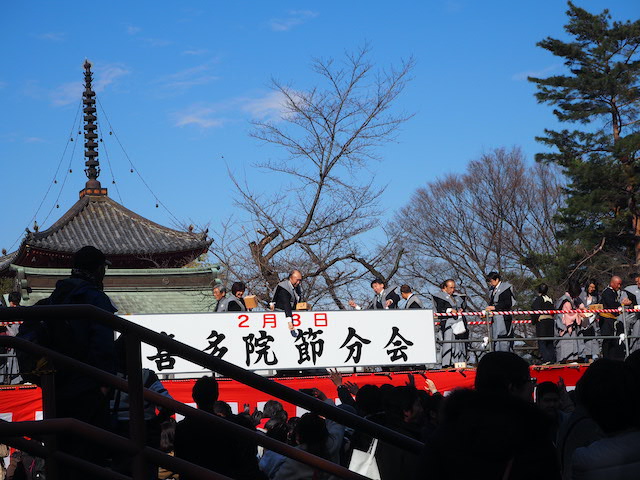
A famous site for Setsubun, known for its lively bean-throwing ceremony and prayers to ward off misfortune.
Naritasan Kawagoe Betsuin Temple (Kawagoe City)
Well known for its powerful fire rituals and Setsubun ceremonies focused on protection and good fortune.
Musashi Ichinomiya Hikawa Shrine (Omiya, Saitama City)
A prestigious shrine where traditional Setsubun rites are held to purify the community and welcome the new season.
Tokorozawa Shinmeisha Shrine (Tokorozawa City)
A local guardian shrine where Setsubun is celebrated as a community event to drive away evil spirits.
Chichibu Shrine (Chichibu City)
A regional shrine that marks Setsubun with rituals for good health and protection in the coming year.