

I visited the Chichibu Night Festival, one of Japan’s three great float festivals, along with the Gion Festival in Kyoto and the Takayama Festival in Hida. It is the grand annual festival of Chichibu Shrine and has a long history, said to have begun about 350 years ago.
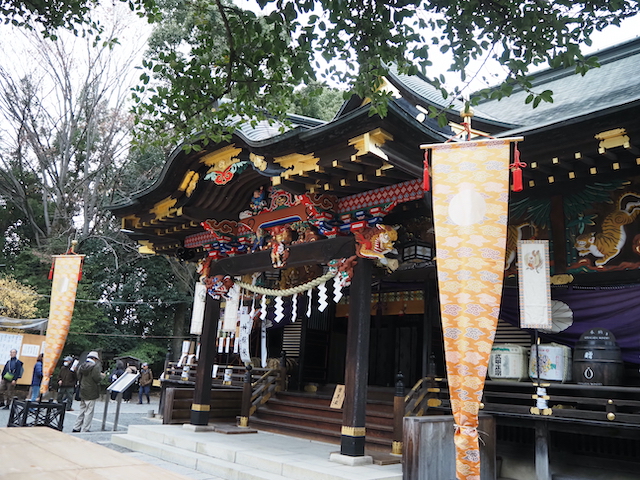
The highlight of the festival is the six magnificent floats presented by different districts of the city. Each float has its own distinctive features, with colorful carvings around the roof and beautifully embroidered drapes hanging from the sides.


Four of the six floats also serve as stages for kabuki performances, presented by local residents on a rotating basis. At Chichibu Shrine, sacred dances known as kagura are performed on the kagura stage and add an air of solemnity to the celebration.


The climax of the festival takes place on the evening of December 3. After parading through the town, all six floats gather at a sacred site called the otabisho. Each float is decorated with candlelit lanterns called bonbori, and the gentle swaying lights create a truly magical sight.
As the floats assemble, fireworks are launched against the backdrop of the sacred Mount Bukō. The combination of brilliantly illuminated floats and the fireworks display is spectacular. This year, about 4,000 fireworks lit up the sky, and an estimated 220,000 people attended the festival. The festivities reach their peak around 10 p.m., after which visitors begin to head home while a quieter Shinto ritual continues.
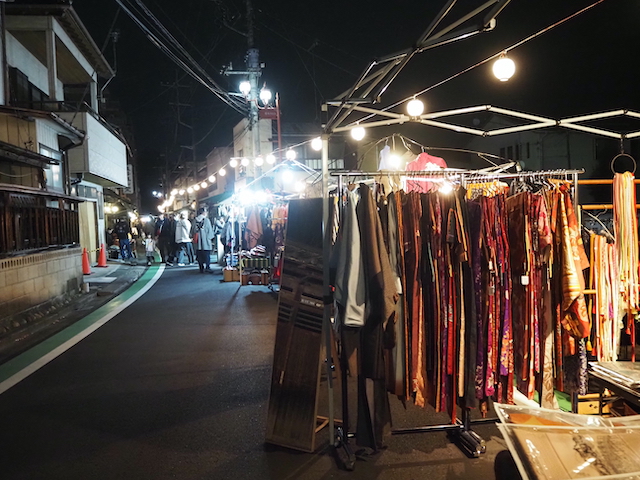

Away from the main street, a small event called the “Silk Market” was also held along some of the side roads. Chichibu, being a mountain basin unsuitable for rice cultivation, developed a strong silk industry from the Edo period onward. The prosperity brought by sericulture and silk weaving formed the economic foundation that supported the creation of these elaborate floats. At the Silk Market, visitors could browse and purchase silk kimono and small accessories that reflect this heritage.
To tell the truth, I visited on December 2, and watched the climax on the 3rd through a live TV broadcast. It is said that a total of about 250,000 people visited over the two days this year, but attendance on December 2, the previous day, was only about one-seventh of that on the 3rd.
Thanks to the lighter crowds, I was able to take my time viewing the floats and enjoying the kabuki and kagura performances. For those who prefer to avoid heavy congestion, the first day of the festival can be a surprisingly pleasant and rewarding experience. But the number of fireworks was only 370, which felt a bit modest.
—————————————————————————————
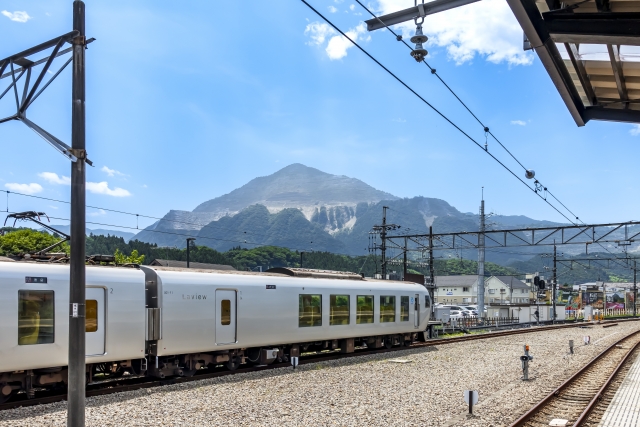
From Ikebukuro Station, it takes about 80 minutes to reach Seibu-Chichibu Station by taking the Seibu Line’s Limited Express Laview.
December 3 is extremely crowded, so it is advisable to purchase your tickets in advance.
Chichibu Night Festival Trivia
- While many festivals in Japan have shifted to weekends, the Chichibu Night Festival is held every year on the fixed dates of December 2 and 3, without exception.
- Six districts in Chichibu own and operate the festival floats, while the other districts are responsible for launching the fireworks.
- On the way to the otabisho, the floats must climb the famous Dango-zaka, a steep slope that is considered one of the festival’s highlights.
- Just before Dango-zaka, the floats cross a railway crossing. Because the floats are so tall, they would hit the overhead wires; therefore, railway staff temporarily remove the wires and stop the trains to let the floats pass.
- During the festival, schools in Chichibu are closed.