
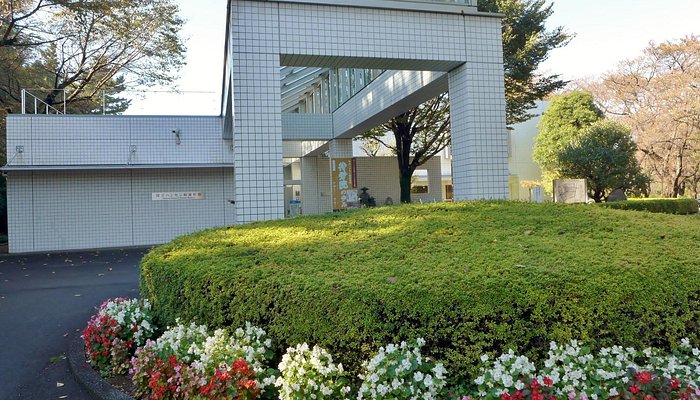
As travel destinations in Japan become increasingly diverse, I recently visited the National Hansen’s Disease Museum in Higashimurayama, western Tokyo.
As a former social studies teacher and a current tour guide, I believe that understanding a country requires looking at both its light and its shadows. While this museum confronts a dark chapter in modern Japanese history, it is a deeply profound and eye-opening place for educational site visits and history lovers alike.
The museum is located on the grounds of Tama Zenshoen, one of Japan’s 13 national sanatoriums for Hansen’s disease (leprosy). Founded in 1993, its mission is to preserve the history of hardship endured by patients, ensure that the government’s past policy mistakes are never repeated, and eradicate social prejudice and discrimination.
Historical Background
Hansen’s disease was once misunderstood as a highly contagious and incurable illness, making those affected targets of unjust fear and systemic discrimination. From the Meiji era onward, the Japanese government enforced a strict policy of absolute isolation—such as the “No-Leprosy-County Movement”—designed to completely sever patients from society. Stripped of their freedom, individuals were forcibly separated from their families and hometowns, enduring lives of involuntary segregation and severe human rights violations.
Even after the development of effective medication (Promin) in the 1940s turned Hansen’s disease into a fully curable illness, Japan’s segregation policy remained legally enforced for nearly 90 years until the repeal of the Leprosy Prevention Law in 1996.
Even after the law’s repeal, decades of entrenched stigma and advancing age made reintegration into society extremely difficult. Today, the heavy reality remains that over 500 recovered individuals still reside in national sanatoriums across Japan.
What to See and Visitor Information
The second floor of the museum is divided into three main exhibition rooms. They detail:
The history of Japan’s national leprosy policies.
The harsh reality of daily life inside the sanatoriums.
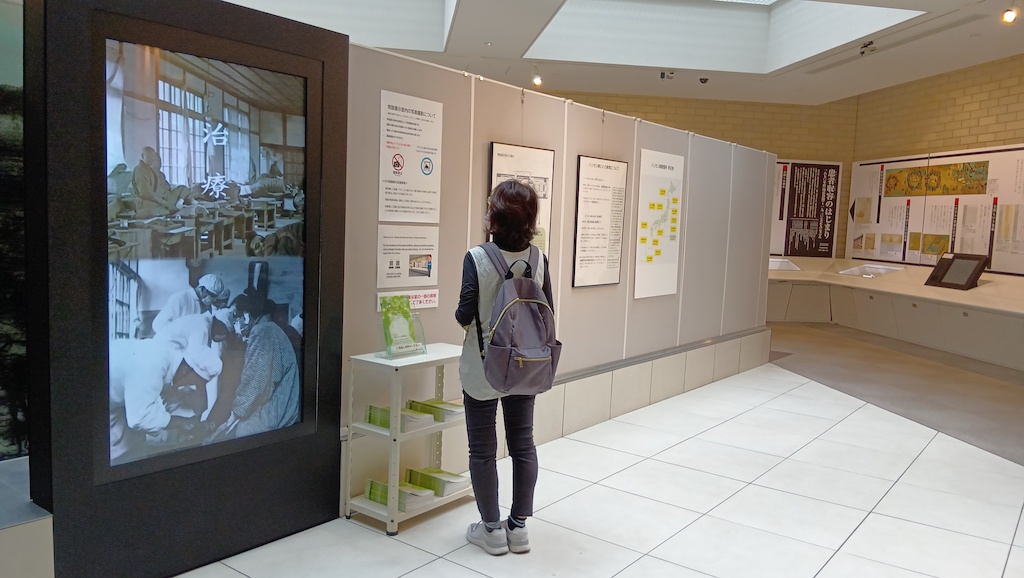
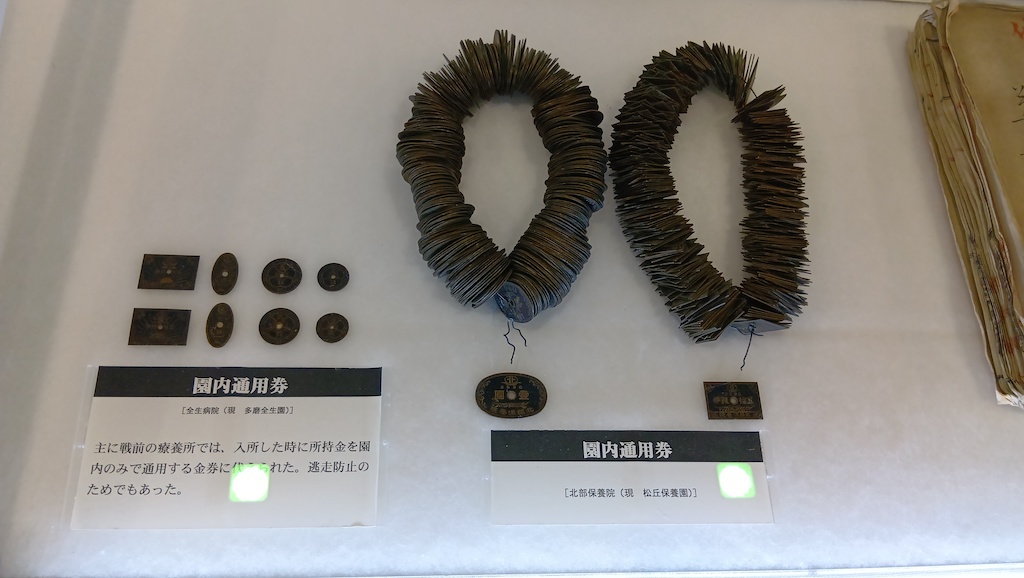
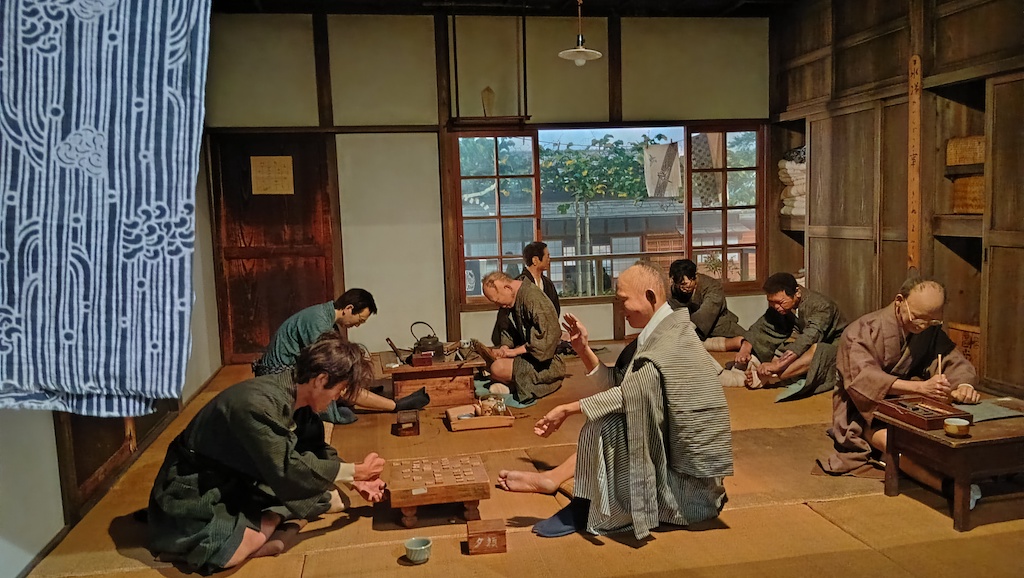
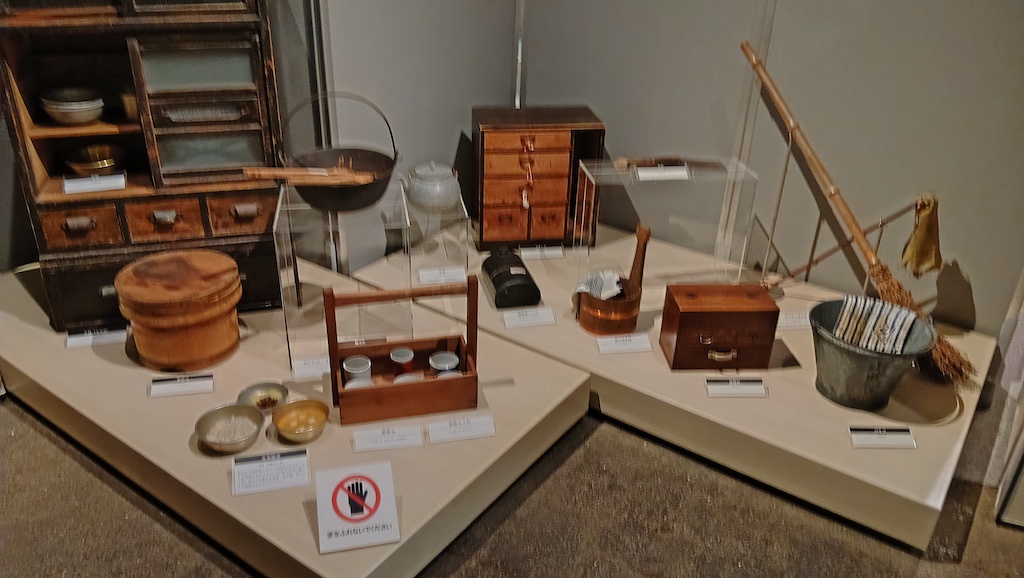
The resilience and human dignity of the patients and survivors who lived through it.
Admission: Free
Hours: 9:30 AM – 4:30 PM (Closed on Mondays and national holidays)
Access: Take a local bus from either Kiyose Station or Kumegawa Station and get off at the “Hansen’s Disease Museum” bus stop.
Recommended Viewing: The Film “Sweet Bean” (An)
To gain a deeper emotional understanding before your visit, I highly recommend watching the internationally acclaimed film Sweet Bean (Japanese title: An).
Film Profile
Release Year: 2015 (Japan/France/Germany co-production)
Director: Naomi Kawase (Based on the novel by Durian Sukegawa)
Cast: Kirin Kiki, Masatoshi Nagase, Kyara Uchida
International Acclaim: Selected as the opening film for the Un Certain Regard section at the 68th Cannes Film Festival, alongside numerous best film and best actress awards worldwide.
Synopsis
Sentaro (Masatoshi Nagase) is a conflicted man running a small dorayaki (sweet red-bean pancake) shop in a quiet suburban neighborhood. One day, Tokue (Kirin Kiki), an elderly woman with slightly disfigured hands, asks him for a job.


Though initially hesitant, Sentaro hires her after tasting her extraordinarily delicious homemade sweet red bean paste (an). The shop quickly becomes a sensation. However, as rumors spread that Tokue was once a patient with Hansen’s disease, customers begin to stay away. Facing societal prejudice, Sentaro and Tokue form a deep, silent bond. Through Tokue—who retained a profound reverence for life despite decades of isolation—Sentaro begins to rediscover the true meaning of existence.
Why You Should Visit
The life and words of Tokue depicted in this film reflect the actual history of Tama Zenshoen, where the museum stands today.
Experiencing the movie’s gentle yet powerful world before stepping into the museum makes the reality of the segregation policies—and the unsung dignity of those who lived through them—resonate much deeper. Confronting the “shadows” of history through this museum and film is one of the most meaningful guides we have for reflecting on prejudice in our modern world.