

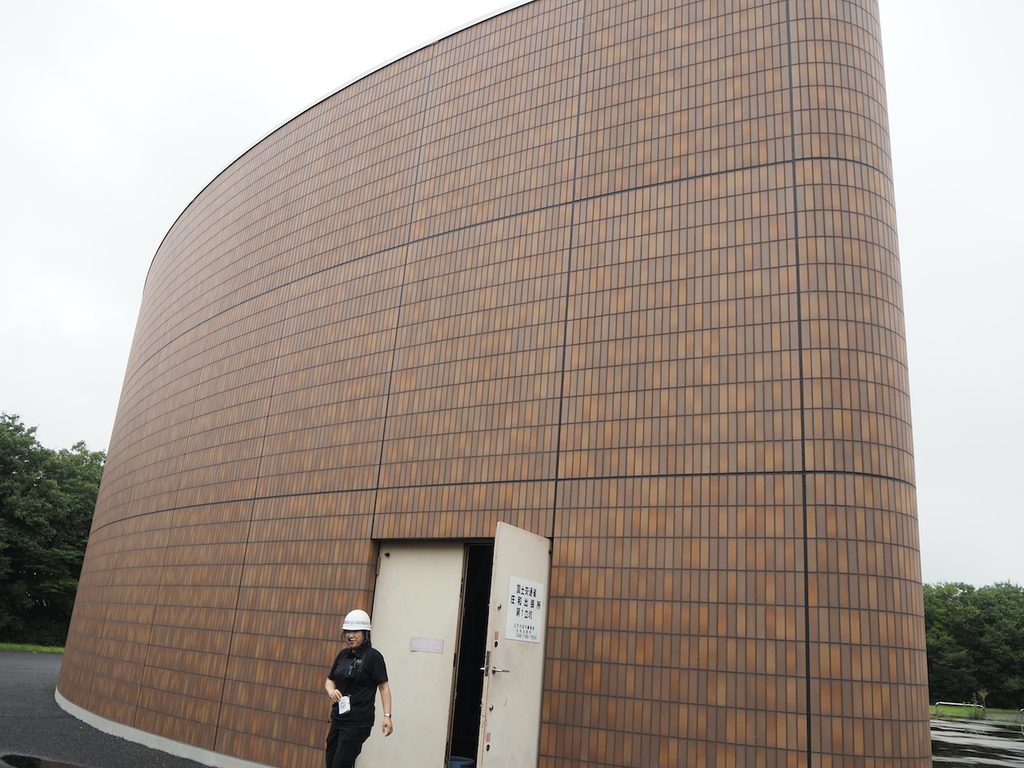
On September 11, I visited the underground shrine (the Metropolitan Outer Area Discharge Channel). Just a few days earlier, I noticed that slots for the shaft exploration course were still open and managed to secure a reservation. My main purpose was to conduct preliminary research for an upcoming tour, but I had another strong motivation as well: a stationary front had brought heavy rain to the area over the previous few days, and I wanted to see with my own eyes the facility operating in its primary role for flood control. On average, the facility operates only about seven times a year, strictly following heavy rainfall.

I was eager to experience the special tour route that is used during active drainage operations instead of the regular course. However, the day before, I received an email notifying me of a cancellation: “Due to heavy rainfall from a linear rainband between the night of September 8 and the morning of September 9, water has begun flowing into the surge tank and the pumps are currently operating. For the safety of our visitors, all tours on September 11 are canceled.” The message also mentioned a refund policy and added, “For those planning to visit, our concierge will provide a free overview of the facility in the exhibition hall. Please feel free to stop by.” Although disappointed, I decided to go anyway to listen to the concierge’s presentation.
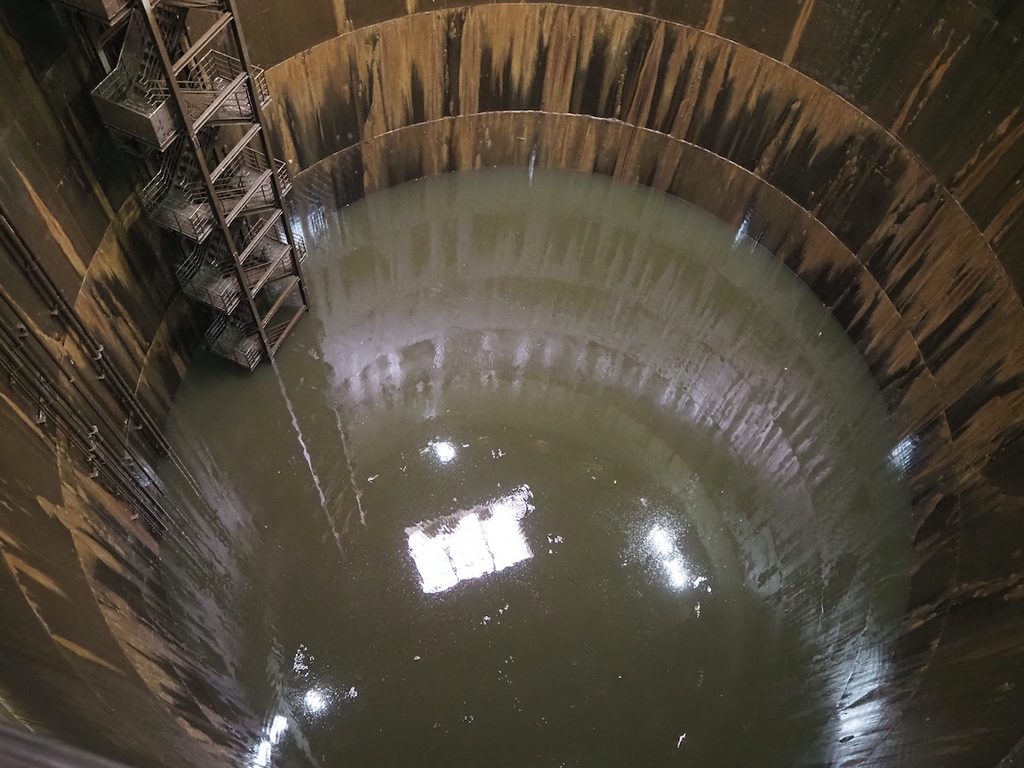
Upon arriving at Ryu-Q-kan, however, I learned that the pumps had already stopped. While regular tours were still not possible, they announced that a modified route would be conducted after all, allowing me to join a special, alternative tour. The group of participants consisted of just 11 people: myself and a group of 10 Japanese men. I was able to enter the shaft, though the water level was high, giving me a firsthand look at the aftermath of the flood. From the shaft, I could look down into the surge tank (the underground shrine), and the floor was still covered with water and mud.
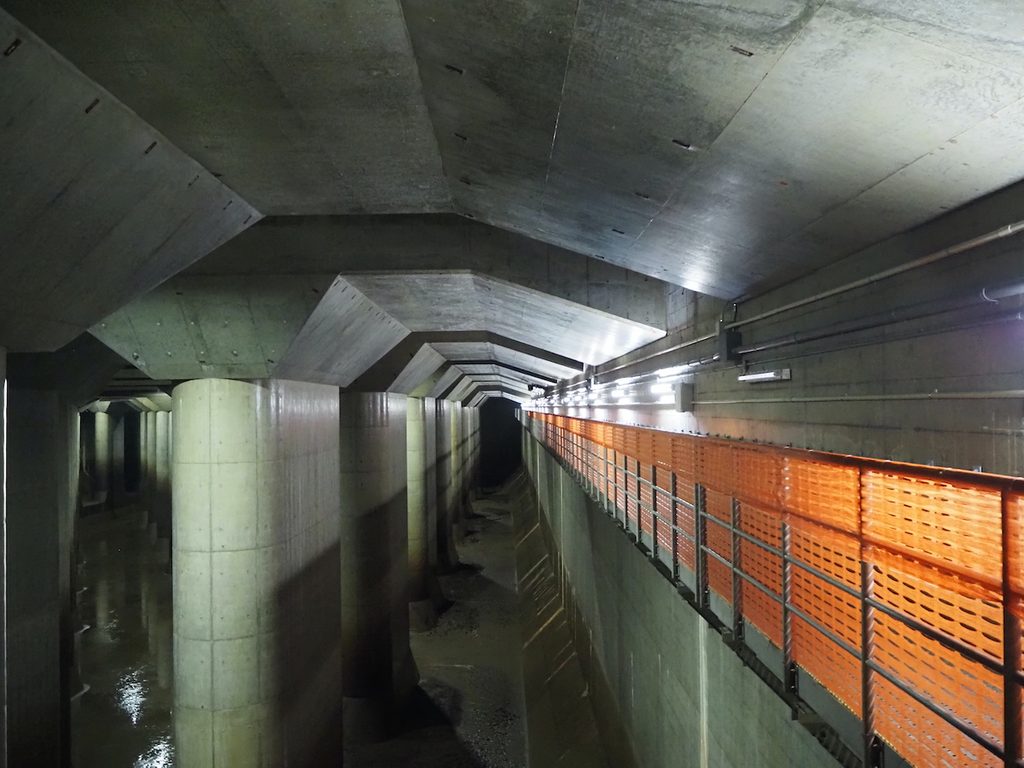
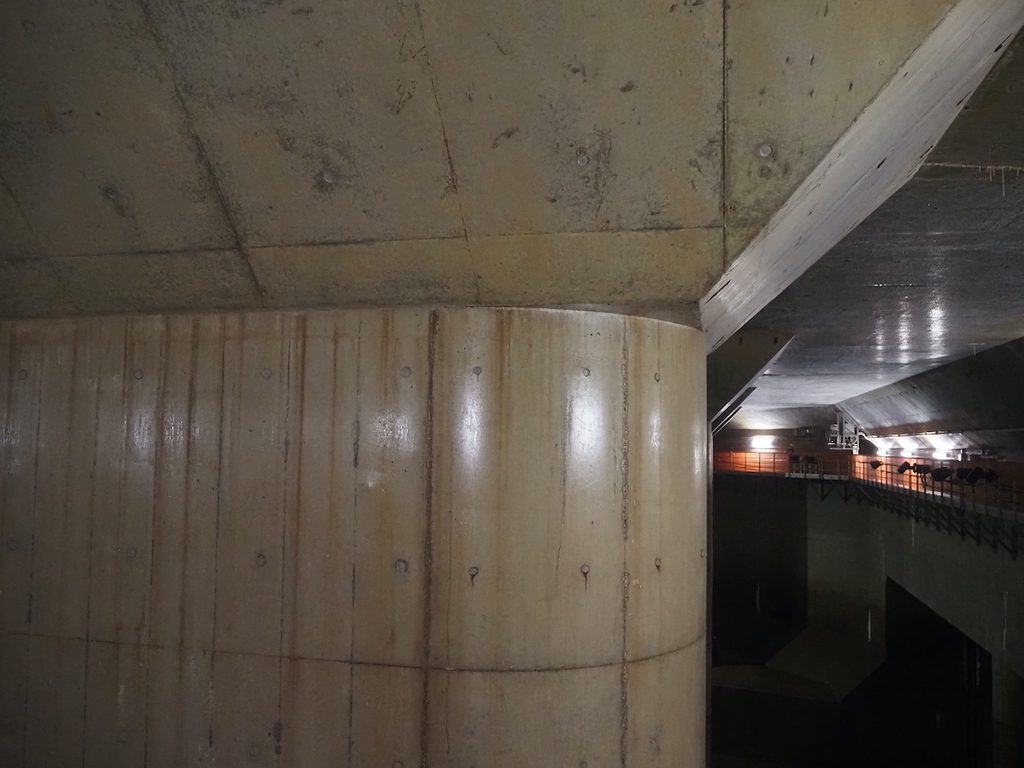
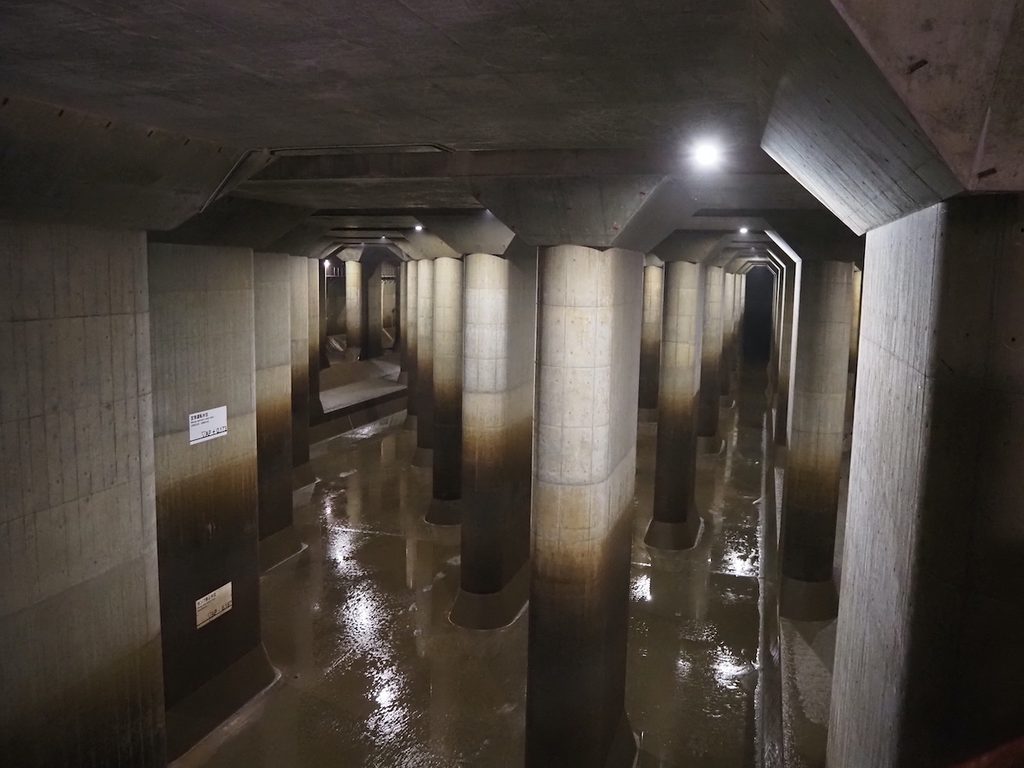

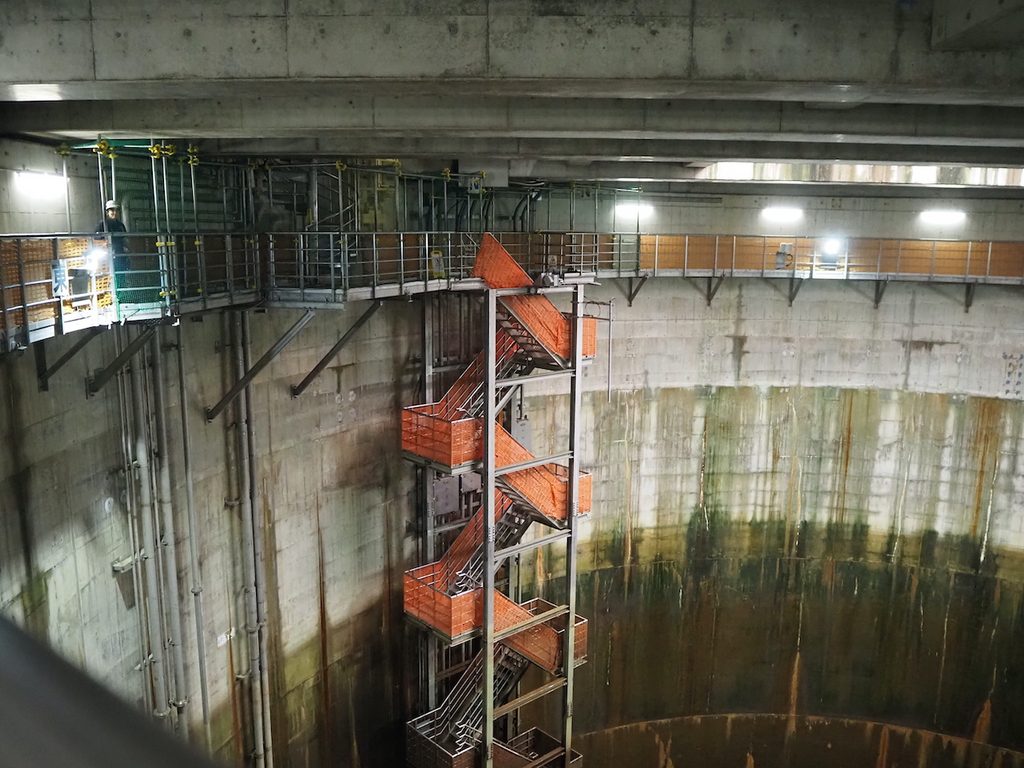
Next, we entered the underground shrine itself. Naturally, descending all the way to the floor was not permitted, so we had to look down at it from the surrounding catwalks. It was my first time viewing the facility from above, and it was genuinely impressive in its own right. Because of the recent flooding and lingering water, the internal humidity was extremely high and muggy. Whether from wastewater entering through the shafts or residual sludge on the floor, the odor was also quite different from usual.

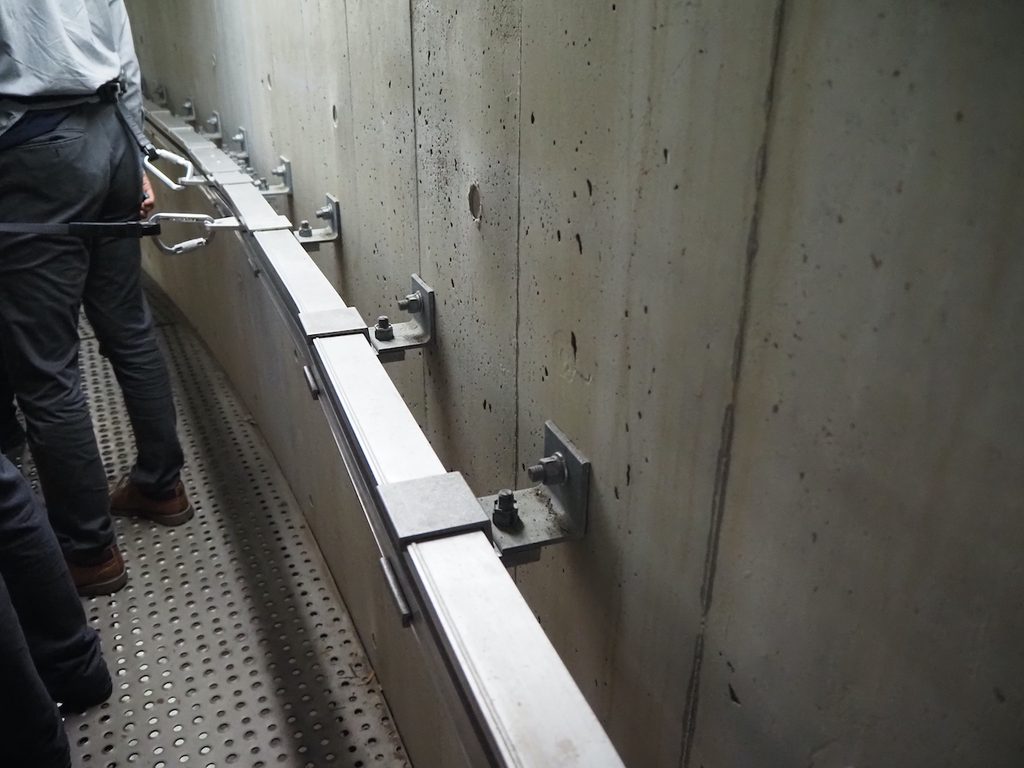

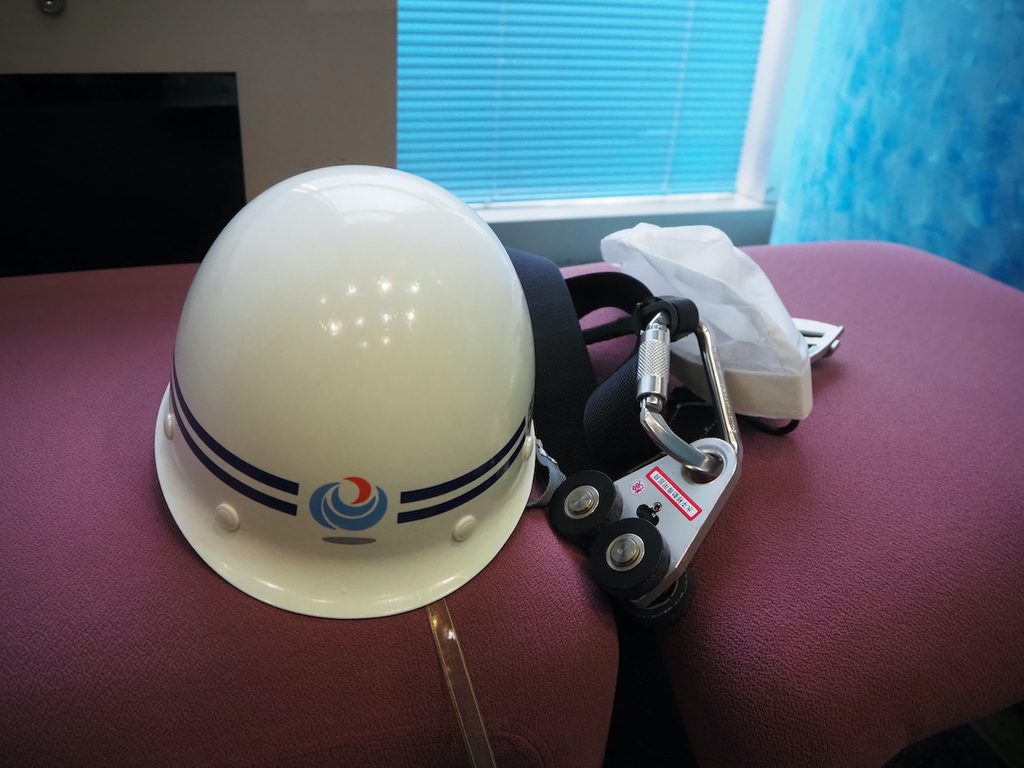
While this facility is a major tourist attraction that draws many visitors, its primary purpose is flood mitigation, making that mission the absolute top priority and sudden cancellations entirely natural. Even when the pumps are running and tours are fully canceled, visitors can still benefit from the concierge’s explanations. Once the pumps stop, tours may be restricted to slightly unusual routes, but the experience can still be enjoyed from a fresh perspective. That wraps up my report on this visit.